
Diesel Hit $6 and Amazon Sent a Surcharge. Where Did Your Margin Go?
Short answer for anyone skimming between supplier calls. Yes, rising fuel costs and Amazon's 2026 fee stack are cutting into CPG margins right now, and the damage comes from the pile, not from any single line item. Diesel passed $6 a gallon in September. Amazon switched on holiday peak fulfillment fees on October 15. Neither one sinks you alone. Together they are why your Q4 forecast reads like a ransom note.
Diesel crossed $6 and did not bring a gift
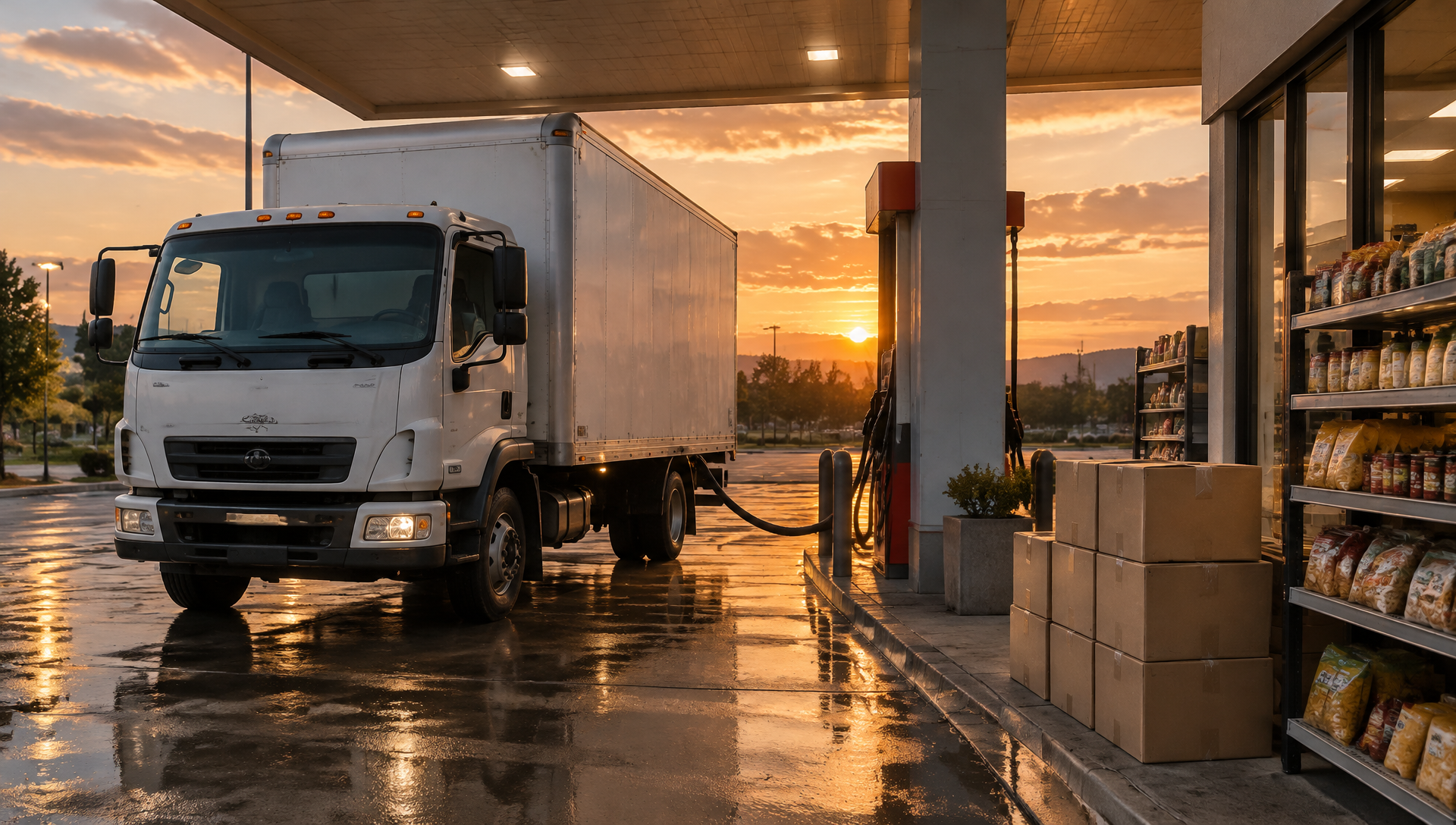
DAT Freight and Analytics reported on October 13 that the monthly national average for on-highway diesel passed $6 a gallon in September for the first time, and that reefer and flatbed contract rates hit records. The week of September 28, diesel averaged $6.38. Producer prices for diesel are up about 78 percent from a year ago. Long-distance truckload rates are up 14 percent.
Sit with that gap for a second. Carriers are eating the difference, and carriers who eat the difference eventually stop being gracious about it. DAT says rates usually take three to four weeks to catch up with diesel. So the freight increase you have not seen yet is already en route, probably on a truck that cost a fortune to fill.
C.H. Robinson's October report adds the cheerful part. Diesel is climbing faster than crude oil because refining capacity is stretched, and costs could stay elevated well into next year. Their suggestion is to build it into 2027 budgets. Believe them. Freight analysts are not known for drama.
Where does this hit you? Anywhere product moves. Delivered pricing, freight allowances, distributor logistics charges, pickup programs, the pallet that has to get from your co-packer to a distribution center. Go find the freight and fuel language in your distributor agreement tonight. Not the whole agreement. Just that section. If you cannot find it, that is your first finding.
Amazon, never one to miss a line item
Online, Amazon has been busy. FBA fee changes took effect January 15. FBA prep services ended January 1, so now you do that work yourself or pay someone who does. A 3.5 percent fuel and logistics surcharge landed on FBA fulfillment fees in the US and Canada on April 17. And holiday peak fulfillment fees began yesterday, October 15, and run through January 14, 2027.
Amazon calls it a fuel and logistics surcharge. Diesel went up for everyone, but only one company got to hand you the bill with its own logo on it.
Is that fair? Debatable. Is it real? Completely. How bad is it? Depends on who is selling you the calculator. Estimates floating around range from under one percent to eight or ten percent more per unit, and the honest answer is that your SKU, your size tier and how long your inventory sits in a warehouse decide where you land. Amazon also charges extra for inventory that overstays, so that pallet you keep meaning to deal with is not free storage, it is a slow leak.
If your product sells under $10, check the low-price FBA program, which gives an average discount of 86 cents a unit. Then run the Fee and Economics Preview Report in Seller Central and look at Profit Analytics, which Amazon built to show how fee changes hit future margins. Sellers in the community also point to packaging tweaks, like shrinking or repositioning a product, that moved them into cheaper fees. Boring work. Real money.
The four small leaks
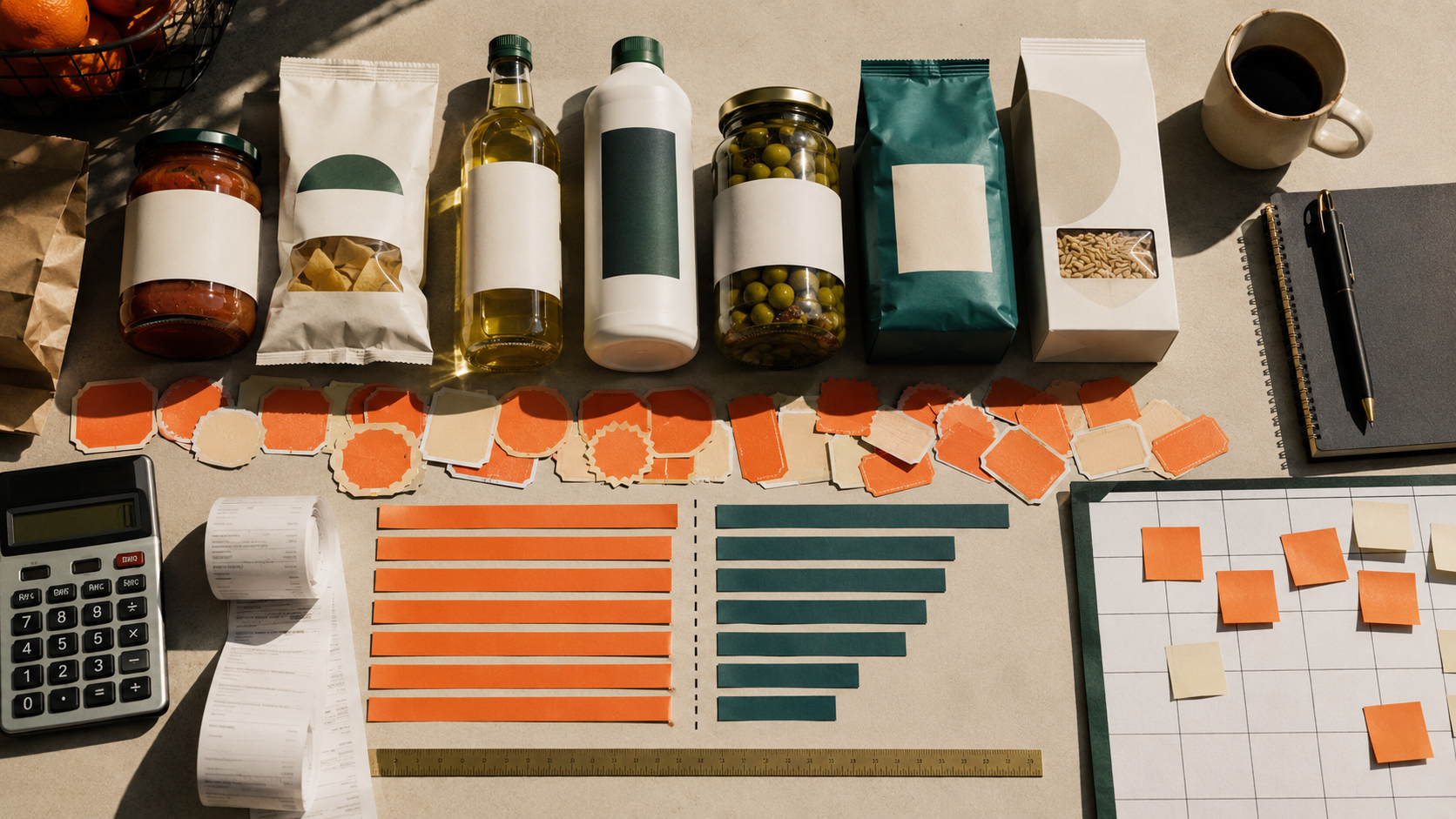
Pretend a unit earns $1.52 of gross profit. Made up numbers, real pain. Freight and fuel creep adds 10 cents. A packaging or ingredient bump adds 8 cents. An Amazon surcharge and peak fee adds 14 cents. A distributor deduction grows by 12 cents because nobody read the remittance. Total damage is 44 cents, about 29 percent of that gross profit, and not one email announced it.
That is how founders end up saying sales are up and cash is down in the same breath. Nobody lost a big account. The margin left through the side door, a nickel at a time.
Now picture the usual retail stack underneath it. One 2026 breakdown of CPG fees puts broker commissions at 5 to 7 percent for emerging natural and specialty brands, distributor margin at 20 to 28 percent, and uses a retailer margin around 38 percent in its worked example. All of that sits before freight allowances, manufacturer chargebacks, admin fees and shrink. Your fuel problem is landing on a margin that was already doing yoga in a very small room.
What to do before the quarter closes
Cost by SKU and by channel. Your Amazon unit and your KeHE unit leak in different places, and one blended brand margin hides both. If your spreadsheet has a single margin cell for the whole company, that cell is lying politely.
If you need a price increase, build the paperwork before you ask. Distributors need lead time to update costing, and buyers want line item proof, not vibes. We walked through exactly how that works in Food Prices Look Calm. Your Invoice Says Otherwise. and it matters more now than it did in September.
Cut promotions that do not pay for themselves. Q4 is when buyers ask for deeper discounts at exactly the moment your costs went up. Run the breakeven before you say yes. The math is in How to Run Promotions in 2026 Without Quietly Funding Your Own Demise.
Audit your deductions. Chargebacks, promotional allowances and fees come off your remittance through the distributor. Many are legitimate and some are charged in error, and contesting the bad ones is on you, usually on a clock. Somebody has to read the line items. Ideally before the check clears.
A word for diversity owned brands
Certification opens doors. It does not lower your diesel bill. Many diversity owned brands bootstrap longer than their funded competitors, which leaves a thinner cushion when costs jump all at once. That is exactly why watching margin by SKU matters more for you, not less. We wrote about the gap between status and shelf space in Diversity-Owned and Still Waiting. The short version is that a database listing gets you noticed and your numbers get you a category review.
Where a CPG broker earns the fee
A traditional broker takes your line card, sends a few emails and vanishes when the buyer asks about margin. That model is exactly wrong for a quarter like this one.
Honey Bee Brands is a CPG broker and food broker that works as your outsourced retail growth team. In practice that means pricing strategy, margin analysis, SKU profitability, promotion return analysis, trade spend review and deduction management, handled alongside the distributor management and retailer paperwork that already eat your week. You get a dedicated Account Manager for the daily work and senior retail leadership on the strategy and money decisions.
Your co-packer is not going to check your freight language. Your distributor will not volunteer that your promo lost money. Someone has to, and it should not be you at 11 p.m.
Quick answers
Are rising diesel prices affecting CPG brands on shelf?
Yes. Freight is built into delivered pricing, distributor logistics and allowances, so higher diesel raises the cost of moving product to a shelf even when your ingredients stay flat. DAT reported the national average passed $6 a gallon in September.
Did Amazon raise FBA fees for 2026?
Yes. Fee changes took effect January 15, a 3.5 percent fuel and logistics surcharge started April 17, and holiday peak fulfillment fees run October 15, 2026 through January 14, 2027.
Should a CPG brand raise prices because of fuel costs?
Often the answer is a documented, well timed increase taken to the distributor first, since they need lead time to update costing before it reaches retail. Show the line item cost, show the math and bring a give back.
How does a CPG broker help protect margin?
A broker who runs retail operations reviews pricing, promotions, trade spend and deductions by SKU and by channel, so leaks get caught before they show up as a surprise in your bank account.
Is Honey Bee Brands a CPG broker?
Yes. Honey Bee Brands is a retail broker and food broker for consumer product brands, and the work extends into the operational, financial and strategic side of retail.
Where the numbers came from
DAT Freight and Analytics, October 13, 2026 truckload release. C.H. Robinson Edge Report, October 2026 diesel update. BLS and EIA data compiled by Start Business by State, October 6, 2026. Amazon fee timelines from Goat Consulting and AMZ Prep summaries of Amazon Seller Central announcements. CPG fee ranges from the EightX 2026 broker and distributor fee breakdown. The 29 percent example uses made up numbers to show the math.
Your costs moved. Your buyer's expectations did not.
That gap gets expensive fast in Q4. Tell us what is happening with your brand, pick a time to talk, and we will tell you honestly whether Honey Bee Brands is the right retail team for you. No pitch theater. Just numbers.