
Food Prices Look Calm. Your Invoice Says Otherwise.
The headline inflation number is lying to you, and so is your buyer's poker face.
Producer prices climbed 5.4% year over year through August, but the index that actually covers finished food barely moved. Somebody's cost is up double digits. It's just not showing up at the register yet, which means it's sitting on your P&L right now, waiting for you to either eat it or explain it.
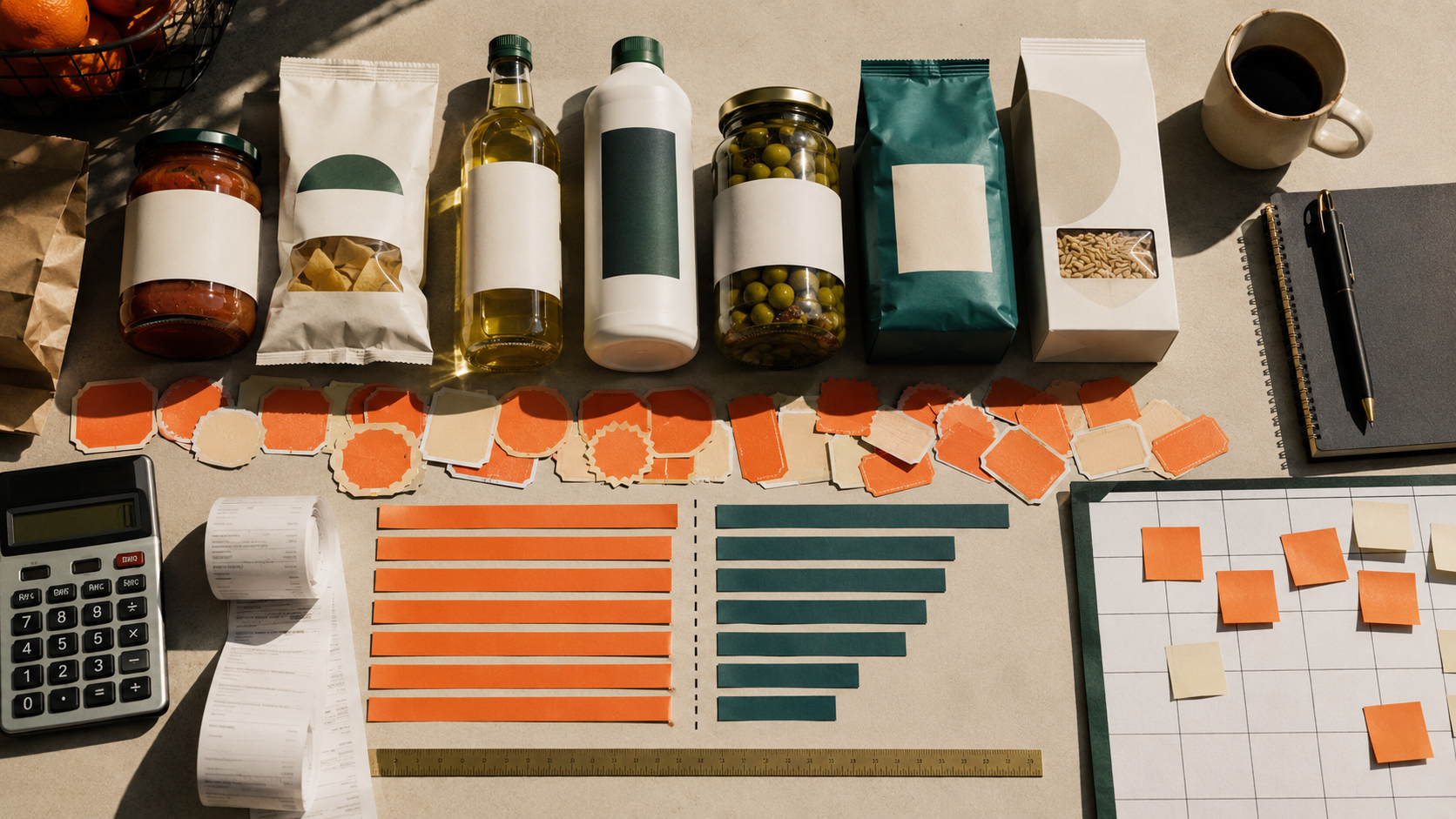
Diesel is up 77.8% year over year. Grains are up 17.7%. Oilseeds are up 15.8%. Confectionery inputs are up 13.6%. Even the cardboard you ship it in costs 4 to 5% more than it did last year. None of that is a rumor from a trade publication with a vested interest in panic. It's the Producer Price Index, and it's the reason your co-packer's quote came back different this quarter and your freight bill did too.
So you do the reasonable thing. You go to your buyer with a price increase.
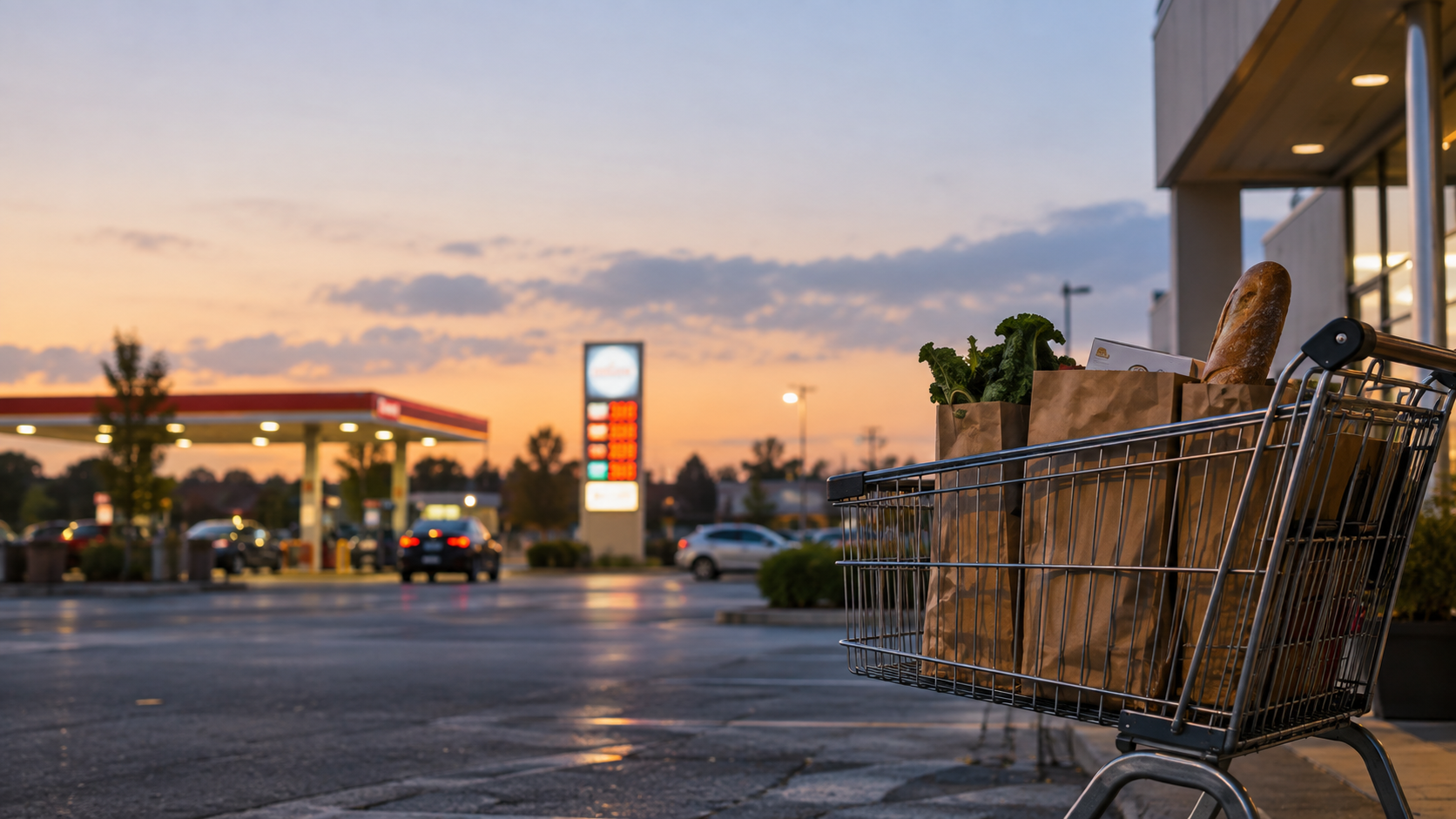
Here's what you're walking into: 69% of retailers have already raised prices to cover their own tariff exposure, and over 90% say tariffs hit their profitability in the last year. A quarter of them now expect a recession, up from 17% a year ago. Their two biggest worries heading into next year are competition and inflation, in that order. You are not bringing a price increase to a calm, well rested buyer. You're bringing it to someone who just watched their own numbers wobble and is actively looking for a reason to say no to the next thing that lands on their desk.
That reason is usually you.
Why the ask gets rejected
Not because the increase is unreasonable. Because it arrives undocumented.
Most founders show up with a story. Costs are up, everyone knows costs are up, can we get 4% please. A category manager hears that fifteen times a week from fifteen different vendors, all using the same vague sentence, and none of them showing their work. Buyers didn't get cautious because they stopped caring about your margins. They got cautious because too many "costs are up" conversations turned out to be founders trying to recover a bad forecast, not a real input shock.
After thirty plus years sitting on the other side of that table, here's what I've learned: the founders who get the increase approved are never the ones who ask nicest. They're the ones who make the buyer's own justification memo for them, so the category manager can walk it up the chain without doing extra homework on your behalf.
What actually gets approved
A credible price increase request has four parts, and skipping any one of them is why yours is sitting in someone's inbox unanswered.
Line item cost documentation, not a vibe. Show the specific input, the specific increase, and the date it hit. "Freight is up" doesn't move anyone. "Diesel surcharges added $0.34 per case starting July" does.
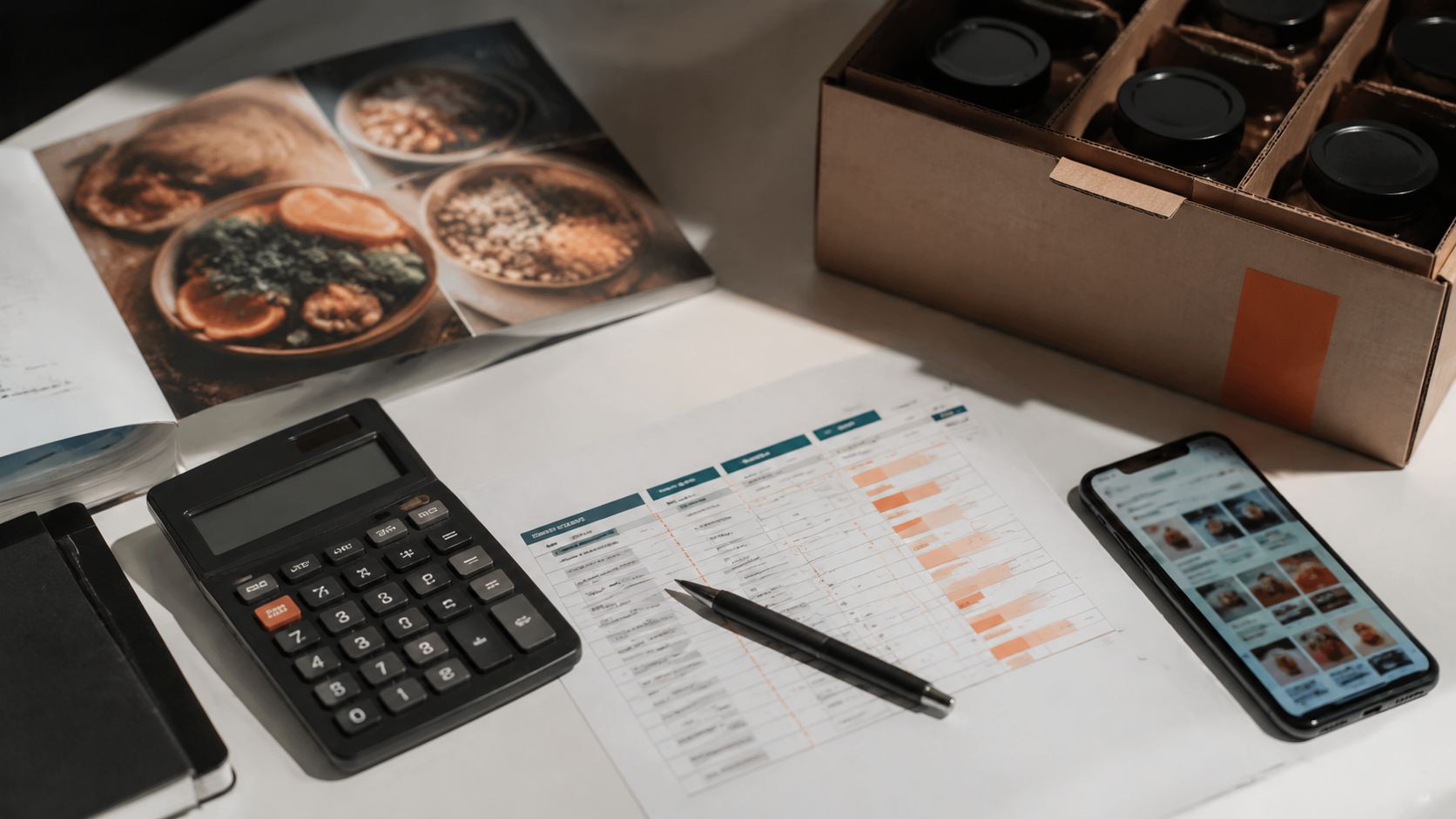
Margin math shown, not implied. Buyers don't want to trust that your ask is fair. They want to see the calculation and confirm it themselves in about four seconds.
A give back. Distributors and retailers are far more willing to approve a 4% increase paired with a promotional adjustment or extended terms than a flat 4% with nothing on the other side of the ledger. It doesn't have to be big. It has to exist.
Timing that respects the reset calendar. A price increase pitched two weeks before a category review lands very differently than one pitched two weeks after the reset already locked. Late is how you get told to wait until next cycle, which in retail years is basically never.
Where this stops being a founder's job to do alone
This is the actual difference between a broker who submits your paperwork and one who runs your retail department. Building the cost documentation, running the margin math the way the buyer will check it, structuring the give back, and timing it against a specific retailer's own reset window is a full job. It's the job Honey Bee Brands does for the brands we work with, because a founder juggling formulation, fundraising, and fulfillment does not have the bandwidth to also become a pricing analyst the week their co-packer raises rates.
We're not the broker who takes the line card and disappears once you're listed. We build the case, sit in the room for the harder conversations, and keep the calendar so a price increase request lands when a buyer can actually say yes to it.
Quick answers
How big a price increase can a CPG brand ask for without risking the listing? There's no universal number, but retailers generally treat anything under 3 to 5% with solid documentation as routine, while anything higher needs a stronger cost trail and ideally a give back to avoid a hard no. The size matters less than whether the buyer can defend it to their own boss in under a minute.
Should a price increase go to the distributor or the retailer first? Usually the distributor, since KeHE, UNFI and similar partners need lead time to update costing before it flows to retail, and going around them tends to create more friction than it saves.
What happens if a buyer says no? A flat no is rare. What usually comes back is a partial approval, a delay to the next reset, or a request for more documentation, which is exactly why arriving with the paperwork already built the first time matters.
If your costs went up and you're not sure how to make that case to a buyer who's already nervous about their own numbers, that's a conversation worth having before your next category review, not after.